Top 7 Features of AirPods and Potential Sales
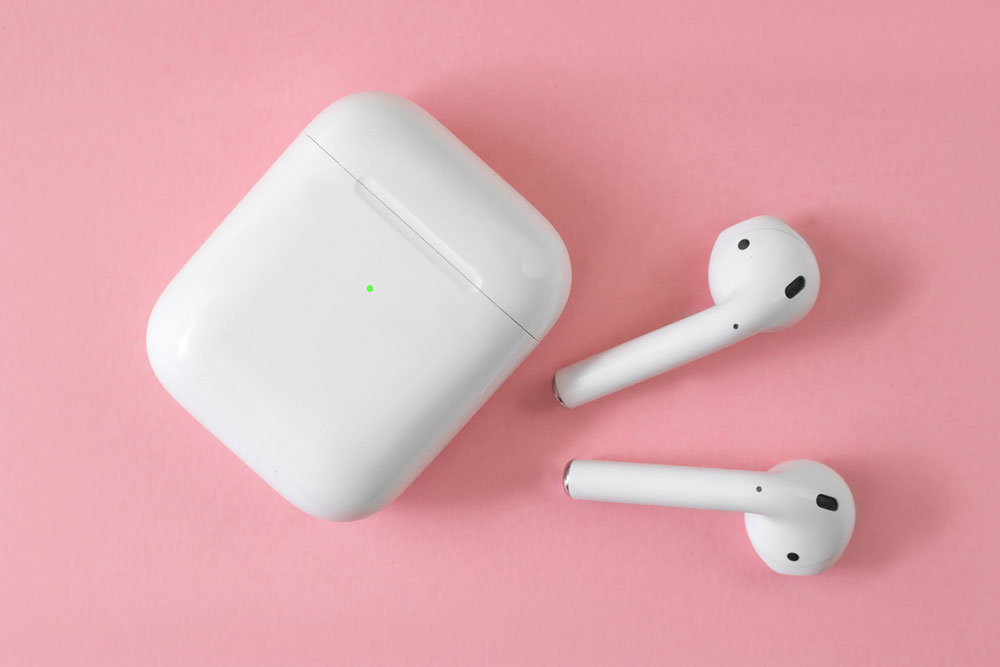
Apple’s products have redefined people’s expectations. Apple’s AirPods have seen a lot of development and innovation in their features. The various products under the umbrella of AirPods have gained significant attention, not just for their sound quality and design but also for their potential impact on the retail market. This article explores some of the impressive features of the new AirPods products that prove it’s worth looking out for upcoming sales on those.
The latest AirPods Earbuds
Despite the most recent release being the AirPods Pro (2nd gen) in September 2022, Apple has consistently provided firmware updates for both the AirPods and AirPods Pro. So, here are some of the top features of AirPods (3rd generation) and AirPods Pro (2nd generation) after their recent firmware update in September and October 2023, respectively.
Impressive audio technology
Some impressive audio-tech elements are common to AirPods (3rd generation) and AirPods Pro (2nd generation). These include custom high-excursion Apple drivers, custom high dynamic range amplifiers, personalized Spatial Audio with dynamic head tracking, and Adaptive EQ. However, the AirPods Pro (2nd generation) goes a step further with additional audio enhancements. These include adaptive audio, active noise cancellation, transparency mode, conversation awareness, personalized volume control, loud noise reduction, and a vent system for pressure equalization. This comprehensive audio technology ensures an immersive and customizable listening experience for users of both the AirPods models.
Multiple sensors for a seamless user experience
Both the AirPods (3rd generation) and AirPods Pro (2nd generation) comprise a range of sensors for a seamless user experience. The sensors that are common to both models include dual beamforming microphones, inward-facing microphones, skin-detect sensors, motion-detecting accelerometers, and speech-detecting accelerometers.
There are also a few sensors that are unique to each model. For instance, for user interaction, the AirPods (3rd generation) are equipped with a Force sensor, while the AirPods Pro (2nd generation) have a Touch control sensor.
Long battery life
The AirPods (3rd generation) and AirPods Pro (2nd generation) offer a great battery life of up to 6 hours of uninterrupted listening on a single charge. However, with the Spatial Audio feature activated, there are slight variations in their battery performance. The AirPods (3rd generation) provide up to 5 hours of battery life with this feature turned on, while the AirPods Pro (2nd generation) provides up to 5.5 hours.
In terms of talk time, the AirPods (3rd generation) provide up to 4 hours of battery life on a single charge, while the AirPods Pro (2nd generation) extend this to 4.5 hours. So, with both models, users can have ample time for calls and conversations without the need for frequent charging.
Charging options
The AirPods (3rd generation) are available in two options for the type of their charging case. These are the Lightning Charging Case and the MagSafe Charging Case. On the other hand, the AirPods Pro (2nd generation) are exclusively available with the MagSafe Charging Case.
Durability and resistance
The AirPods (3rd generation) and their accompanying charging case offer a commendable level of protection with an IPX4 rating, making them sweat and water-resistant. On the other hand, the AirPods Pro (2nd generation) and their charging case take it a step further with an IP54 rating; along with dust and sweat resistance, they also offer water resistance.
Superior connectivity
Regarding connectivity, the AirPods (3rd generation) use Bluetooth 5.0 wireless technology, while the AirPods Pro (2nd generation) step up the game with Bluetooth 5.3 wireless technology.
Sleek design
The AirPods (3rd generation) stick with the classic design of the original AirPods, the stem and earbud design, that many people find comfortable and familiar. On the other hand, the AirPods Pro (2nd generation) design has slight alterations. While they still have a stem and earbud design, they are more compact. They feature a shorter stem and include silicone ear tips that the user can adjust for a custom fit. They also have built-in vents for pressure relief. This design ensures a snug as well as helps in enhancing the Active Noise Cancellation (ANC) technology.
AirPods Max features
For those who are looking for over-ear wireless headphones rather than in-ear earbuds, Apple has the AirPods Max. Some fantastic features of AirPods Max include the following:
- Audio-tech: Apple-designed dynamic driver, Active Noise Cancellation, Personalized Spatial Audio with dynamic head tracking, Adaptive EQ, and Transparency mode.
- Battery life: For both talk time and listening, they have a battery life of up to 20 hours, even with Spatial Audio enabled.
- Microphones: AirPods Max features nine microphones – 6 for Active Noise Cancellation, 1 for voice pickup, and 2 for ANC and voice pickup.
AirPods cost and sale
The AirPods (3rd generation) are priced at about $169 with the Lightning Charging case and around $179 with the MagSafe Charging Case. On the other hand, the AirPods Pro (2nd generation) cost about $249 at the time, and the AirPods Max, around $549. A lot of people have been eager to get their hands on these devices as soon as possible. However, those who can not afford these prices must not lose hope. What they can do is keep an eye out for secret discounts and promotions from retailers and online stores on the AirPods models.