Tips to choose the right home internet service provider
Tips to choose the right home internet service provider

Having a Wi-Fi connection at home is no longer a luxury but a necessity. The internet helps with many daily tasks, from working remotely and attending online classes to streaming videos. However, having any internet service is not enough. One must choose a plan from a reliable home Wi-Fi provider—one that provides fast speeds, minimal downtime, and quality customer support. This is an important decision, so it’s best not to rush it.

Tips to select a home Wi-Fi provider

List the providers in the vicinity

Not all internet service providers offer coverage in every location. So, the first step is to identify which providers actually serve in one’s area. To do that, one can visit the Federal Communications Commission’s National Broadband Map website and enter their address or ZIP code. Once this is done, the map displays all nearby home Wi-Fi providers. It also shows the type of connection each provider offers and the maximum download and upload speeds at the location. This makes it easier for one to shortlist reliable home broadband options based on connection type and speed requirements.

Choose a type of connection

There are four types of connections: fiber, cable, fixed wireless, and DSL. Each supports different internet speeds, and their availability varies by region.

Fiber internet

This connection uses fiber-optic cables made of thin strands of glass or plastic to deliver data. The cables support super-fast download and upload speeds, sometimes up to multiple gigabits per second, as the data travels as pulses of light through them. This makes fiber internet ideal for anything that demands more data, such as remote work and online gaming.

Cable internet

One of the most popular options, cable internet uses coaxial cables with copper cores. The data is transmitted through these cables as electrical signals. While they cannot carry as much data as fiber cables, they still offer strong performance, with speeds ranging from around 100 Mbps to one gigabit per second.

Fixed wireless with 5G internet

In this case, data travels through wireless towers instead of physical cables. Now that 5G connections are expanding, wireless networks offer much faster speeds, sometimes close to 1 Gbps.

DSL internet

Traditional copper phone lines are used to transfer data in a DSL connection. It’s a wired connection, but speeds are usually much lower, often under 200 Mbps.

Compare home Wi‑Fi providers

After choosing a connection type, the next step for one is to compare local internet providers that provide that connection option. One should evaluate the plans based on the company’s monthly pricing, speeds, and hidden charges. They should also review contract terms, data caps, and modem or router costs.

Top home internet and Wi-Fi plans for 2026

T-Mobile – fiber plan

T-Mobile’s Fiber 300 plan stands out for its long-term value. For a starting price of around $40 per month, it offers download speeds of up to 300 Mbps, which is sufficient for streaming and remote work. There are no data caps and no annual contracts.

Xfinity – cable plan

The 300 Mbps cable internet plan from Xfinity starts at around $40 per month for the first 12 months. The plan offers download speeds of up to 300 Mbps. Along with internet service, it includes perks, such as a one-year Xfinity Mobile line at no extra cost. It also does not require long-term contracts.

CenturyLink – DSL plan

In areas where fiber or cable is not widely available, CenturyLink’s DSL plan remains a practical choice. Starting at around $55 per month, it’s among the more affordable DSL options on the market. It offers download speeds of up to 140 Mbps.

Verizon – 5G home internet plan

With download speeds of up to 300 Mbps, Verizon’s 5G Home Internet plan is a great choice for wireless home internet service. It starts from around $50 per month and includes unlimited data with no extra charges for equipment or installation. There are also no annual contract requirements.

Popular Reads

Popular Samsung phones and deals in 2026

Popular Samsung phones and deals in 2026

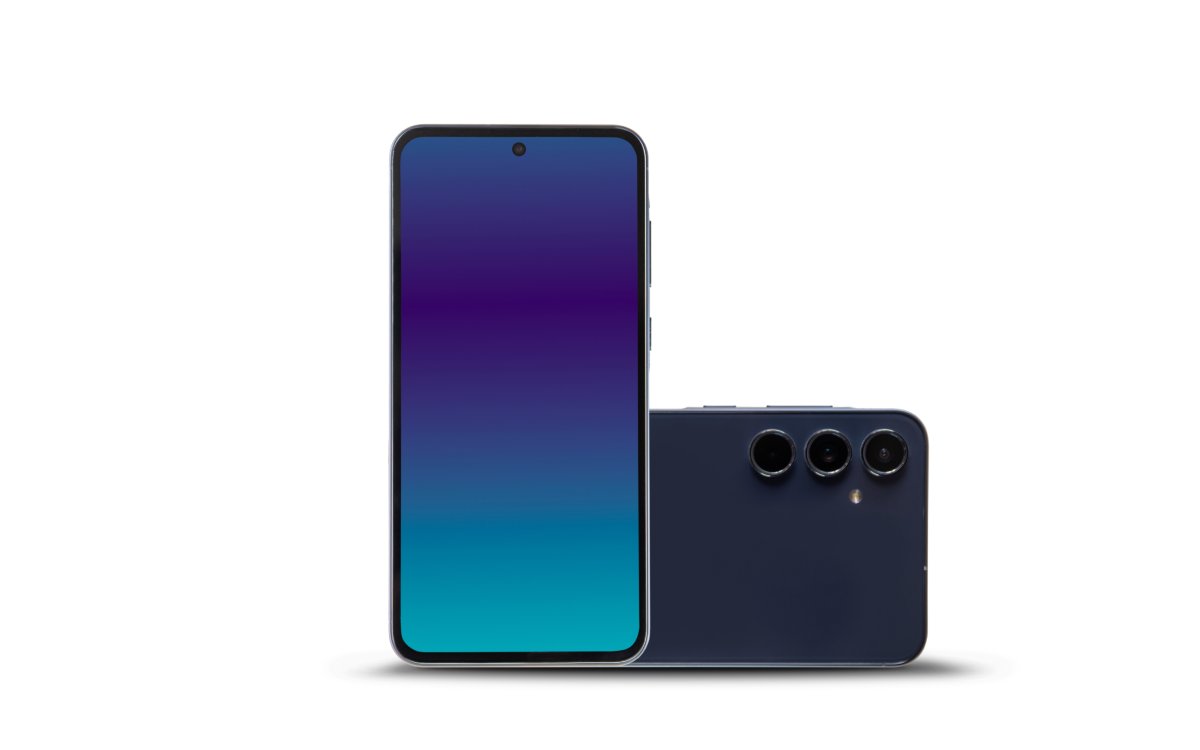
Samsung sells a wide range of Android phones across multiple price segments. The sheer variety on offer makes finding an option tailored to one’s budget and requirements easy. Whether one needs simple calling and texting features, a clear camera for photography, or a powerful processor for gaming, they will find that the brand has phones for all these requirements. The most exciting feature, though, is Samsung’s One UI, which offers better customization and control over the user interface. Popular Samsung smartphones If one is looking to buy a Samsung phone in 2026 but can’t decide what to pick, going through a few trending models can help. Samsung Galaxy S25 Ultra This is a flagship device from Samsung with a large, crystal-clear 6.9-inch screen, a high-end Snapdragon 8-series chipset, and a multi-lens camera setup led by a 200MP main sensor. It’s packed with AI features to improve camera functionality, boost video call quality, make writing more intuitive, and make web surfing smoother. The S25 Ultra is perhaps Samsung’s most premium phone right now, recommended for anyone who wants nothing but the best. Samsung Galaxy S25 Plus The S25 Plus is an affordable alternative to the S25 Ultra, which means one has to make a few compromises when buying it.
Samsung Galaxy Watch 2026 – Top Features To Expect

Samsung Galaxy Watch 2026 – Top Features To Expect

Over the last several years, smartwatches have become an essential device for many people. From checking the time to tracking fitness goals and receiving notifications for emails and messages, smartwatches have made daily life more convenient. Samsung is taking smartwatch usability to the next level with the launch of the new Samsung smartwatch 2026, also known as the Galaxy Watch Ultra 2. This new lineup is expected to improve health tracking, battery life, and AI features for Android smartwatch users, enabling better, more active, connected lifestyles. Galaxy Watch 2026 lineup: What to expect The 2026 Samsung smartwatch range is expected to include the Galaxy Watch 9 (the flagship model), the Galaxy Watch 9 Classic, and the rugged Galaxy Watch Ultra 2. The latest models are expected to feature the same core hardware and software. This will offer a more consistent and seamless experience across Samsung’s Android wearable range. Key upgrades Design and display The Galaxy Watch Ultra 2, also known internally as the Galaxy Watch 9 Ultra, is expected to retain the 47 mm titanium case and 1.5‑inch circular Super AMOLED display from the previous Ultra smartwatch model. But there might be a few design changes to the bezel, lugs, and button layout.
Popular phone trade in options in 2026

Popular phone trade in options in 2026

Phone trade-in is a process where a buyer gives their used device in exchange for a specific value. The value they get depends on the model of the phone and its current condition. Many use phone trade-ins to help pay for a new phone or to get a bill credit from their service provider. These programs are usually available through wireless carriers, phone manufacturers, and various popular retail stores.  Why buyers trade in phones Many choose to trade in their phones to pay less for the initial cost of a new device. This also helps them keep monthly expenses in control. Also, it becomes easier and more affordable to access the latest technology and updated hardware features, without paying the full retail price of the device. Additionally, phone trade-ins help support environmental and sustainability efforts. Some programs keep older electronics out of landfills and reuse and recycle them for different purposes. Besides that, trading offers a simple way to declutter a home by getting rid of old gadgets that are no longer useful. Types of phone trade-in programs Carrier trade-in programs Carrier trade-in programs are a popular choice for those who use a major wireless provider and want to stay with the same company.