Common IUD side effects and how to tackle them
Common IUD side effects and how to tackle them

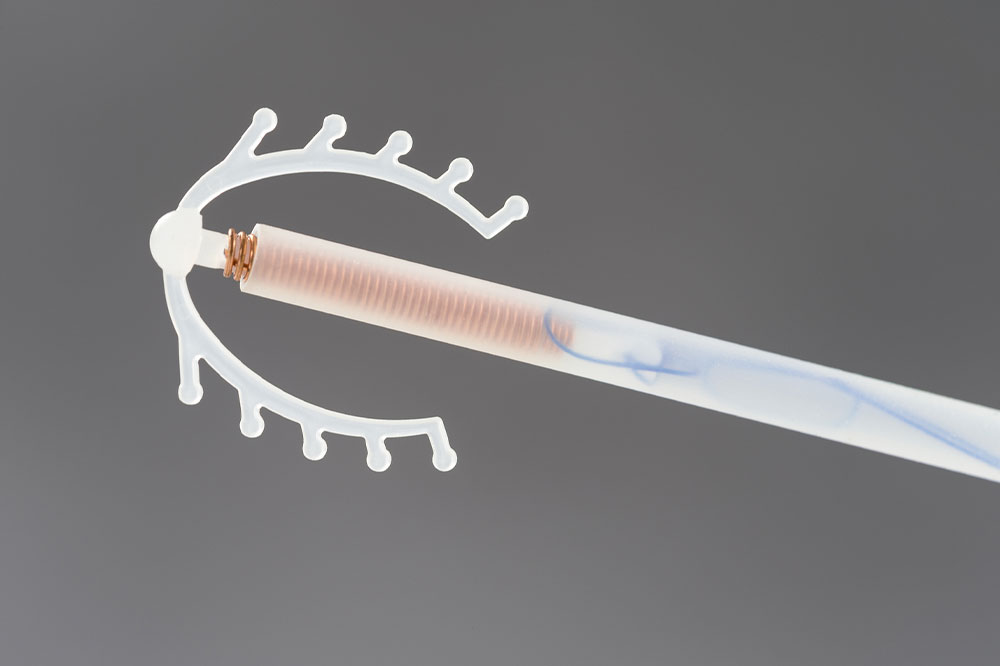
Intrauterine devices (IUDs) are a popular form of birth control. Shaped like a “T,” they are inserted towards the top of a woman’s uterus to prevent sperm from reaching and fertilizing the egg. There are two forms of IUDs: hormonal and non-hormonal. Both have different side effects on different people, and users often experience them in the first few weeks of insertion. But the good news is that the side effects can be managed.

What are the side effects of IUDs?
The most common side effects are irregular bleeding for a few months, pain, cramping, dizziness, and lighter/shorter periods or no periods at all. Women may also experience premenstrual syndrome (PMS) with symptoms like headaches, nausea, breast tenderness, or skin blemishes. Other rarer side effects include cysts on the ovary and infections due to bacteria entering the cervix or uterus.

Sometimes, IUDs can shift or get displaced in the uterus, increasing the risk of embedment (or when the device attaches to the wall of the uterus), perforation (when the IUD goes through the wall of the uterus), migration (when the IUD moves to a different location in the uterus), and expulsion (when the IUD moves out of the uterus).

How to tackle the side effects?
Here are some tips on what one can do before, during, and after IUD insertion to manage side effects better:

Before the appointment
Doctors may recommend pain-reducing treatments for those worried about the pain. This is in addition to a treatment to soften the cervix an hour before the procedure. Women heading to get an IUD are also suggested to wear comfortable clothes and carry essentials like a heating pad, a panty liner or sanitary napkin, and some juice to fight any dizziness.

During the procedure
It is recommended to stay as calm as possible during the procedure, so meditation and breathing exercises may help. If requested, some doctors administer laughing gas or another pain-reducing treatment during the procedure to minimize pain further.

After insertion
Many women experience bleeding after insertion, so the sanitary napkins or panty liners brought along come in handy. The type of IUD used also determines the side effects. For instance, hormonal IUDs can lighten periods over time and help reduce cramping. On the other hand, non-hormonal IUDs may cause heavier periods and increase cramping. Since heat helps relieve cramping, one may use a heating pad after the procedure. Drinking rosehip tea can also help.

As with all menstruation-related symptoms, the IUD side effects differ from person to person. Those experiencing PMS symptoms should get sufficient rest and practice deep breathing exercises to relieve headaches and other discomforts.

It may take six to eight months for the body to adjust to an IUD fully. Besides following these tips to tackle IUD side effects, one should consult a physician if they experience fever, severe pain or cramping, bleeding during or after intercourse, unusual vaginal discharge, pregnancy symptoms, or difficulty breathing. It is also advisable to contact a doctor if one can no longer feel the strings of their IUD to ensure it has not moved.


Popular Reads

6 important benefits of using 1Password

6 important benefits of using 1Password

Many websites ask customers and businesses to create password-protected accounts to use certain services. These include social media apps, OTT platforms, e-mail applications, and more. However, remembering passwords, especially when users create over a hundred accounts, is not easy. What’s more, the data is often vulnerable to malicious attacks. That’s where one should consider using 1Password, a private, secure, and user-friendly password management software. Here are the features customers or businesses get with 1Password. Clipboard management Users often copy a password to the clipboard and forget about it, leaving the system vulnerable to others who can access their data with a simple “copy” and “paste.” With Clipboard management, the software can be programmed to remove passwords from a clipboard automatically. Deleting sensitive information from the clipboard also ensures that the third-party app does not store sensitive data. Auto-lock Users often forget to lock their system when they are away from their work desk, thus leaving their system vulnerable to other individuals. Here’s where 1Password can also automatically lock the device when a user is away to safeguard sensitive information. Secure remote password It is a common practice for most websites to send passwords to servers when a user attempts to sign in.
6 tips to pick the right business management software

6 tips to pick the right business management software

Running a business involves dealing with lots of data, like finance figures, employee information, and logistics details. Handling this data manually can become tedious and daunting and may even lead to errors. That’s why ventures of all sizes prefer business management software, which can help centralize information from various departments to streamline process control. For businesses that require assistance selecting a software solution, here are six tips to help with that decision. Understand the company’s requirements One must first understand the company’s requirements to find the precise software. The individual must determine what aspects of the business require software integration. These could include finance, logistics, customer relationship management (CRM), invoicing, or email marketing. One should pick software that meets all the company’s needs. Consider ease of use Some business management software solutions have a clustered interface. Such an interface could make it difficult for the business to operate because it will have to train new staff continuously to use the software. So, one must pick an option that offers top-notch features and integrates beautifully into a simple, easy-to-operate interface. Compare features One must check the features of different software before choosing. The best ones will have various features, from primary inventory management to complex accounting functions.
6 advantages of cloud-based management software

6 advantages of cloud-based management software

Workspaces are constantly evolving these days, with many organizations shifting to a remote or hybrid work environment. This change has been supported by the rise of cloud computing, such as cloud-based business management software, project management software, accounting software, and more. Cloud computing has transformed data storage and access, resulting in increased flexibility and scalability. Read on to learn more about how businesses can gain by shifting to cloud-based management software. Better access to data With many companies shifting to hybrid work styles, making data available to the employees for seamless functioning is important. Cloud-based business management software enables this shift. It allows one to access company data from any device connected to the internet by logging into the online hub. People can collaborate and work in real-time across the world without having to constantly update each other or share details personally, improving overall productivity. Additionally, this software allows businesses to put multiple authorization checks in place to limit the number of people who have access to certain sensitive data. Improved job satisfaction Cloud-based management software makes managing projects easier, reducing the administrative workload on the team. This allows employees to have greater autonomy and responsibility for their work, which helps improve productivity, job satisfaction, and employee retention in the long run.