6 ways to protect personal information online
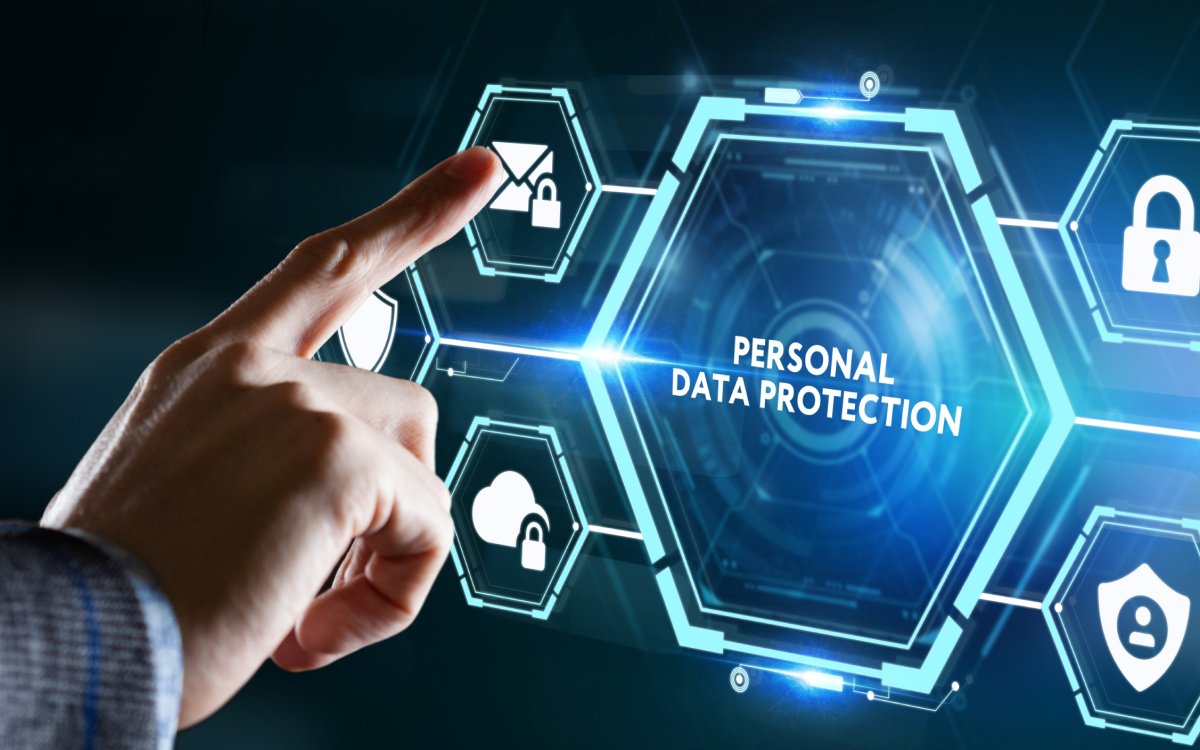
In today’s digital space, maintaining privacy requires a well-thought-out, proactive strategy. Personal data has become a valuable commodity for advertisers, and it’s a significant target for cybercriminals. Therefore, it’s important to know how to protect personal data. By intentionally hiding personal information online, one can significantly reduce their digital footprint and enhance their overall security. The need to research and design a roadmap to navigate the internet while keeping private details out of prying eyes cannot be overstated.
Avoid using free Wi-Fi
Public places like airports, cafes, and hotels with public Wi-Fi are convenient spots to get some work done. But they are also notoriously insecure. Public networks often lack robust encryption, making a hacker’s job easier. It allows unauthorized parties to view login credentials, private messages, and credit card numbers in real time. To avoid sharing personal data online when traveling, it is best to avoid accessing unreliable public networks. If it is necessary to connect, using a VPN is a critical step to create an encrypted tunnel for data and keep the information unreadable for unethical use.
Avoid oversharing on social networks
Social media platforms are a gold mine for individuals planning identity theft. Many social media users can unknowingly provide the building blocks for identity theft prevention by posting birthdates, locations, and personal life details. It is equally important to be cautious of seemingly harmless surveys that could be collecting answers that can lead someone to sensitive information. If participating in the survey, avoid answering questions that enquire about pet names, high school mascot, and more. An effective tip is to start with a private profile and do a thorough audit of privacy settings. Avoid letting random strangers see posts or other information shared.
Use strong passwords
A password is the primary line of defense for most digital accounts. However, using simple or repetitive passwords across multiple sites is a major security risk. If even a single site suffers a data breach, it can make it easier for hackers to crack credentials on other sites. It can be a major issue, especially for banking or email accounts. It is recommended to use strong, long, complex, and unique passwords. Avoid personal identifiers like names, birthdates, or anniversary dates. Most people use these ideas because remembering dozens of complex strings is difficult. It is better to use data protection tools like password managers, which store encrypted credentials and generate strong, unique passwords for each new account, making it easier to avoid data breaches.
Check site security
Before entering personal information into any website, it is vital to verify if the site is legitimate. One of the easiest ways to do so is to check for “HTTPS” at the beginning of the URL. The S in HTTPS stands for secure and indicates that it uses SSL encryption to protect data. Most modern browsers also use a padlock icon in the address bar to indicate a secure connection. Users should also look for signs of a professional operation. Check that the privacy policy is clear and that the site has contact information. Engaging with reputable, secure sites is a fundamental way to protect personal data during online shopping or registration processes.
Use extra protection
A single-step password protection is often insufficient. Enabling Multi-Factor Authentication can help significantly bolster identity theft prevention. This means individuals are required to use more than one form of verification, such as a code sent to a smartphone or a biometric scan, before access is granted. Some data protection tools allow users to create temporary email addresses or virtual credit card numbers, which act as a protective shield. If any temporary data is leaked or sold to third parties, the user’s primary email and actual bank account remain hidden and secure.
Click with caution
Phishing is one of the most effective ways for criminals to bypass security measures. They often come in the form of urgent emails or text messages, often disguised as official communication from banks, government agencies, or delivery services. They typically include a link designed to harvest login info or install malware. To keep information online protected, avoid clicking links in unexpected emails. Hovering over a link to see the actual destination URL can also reveal if a site is a fraudulent imitation.