5G Internet for rural homes – Benefits and top providers
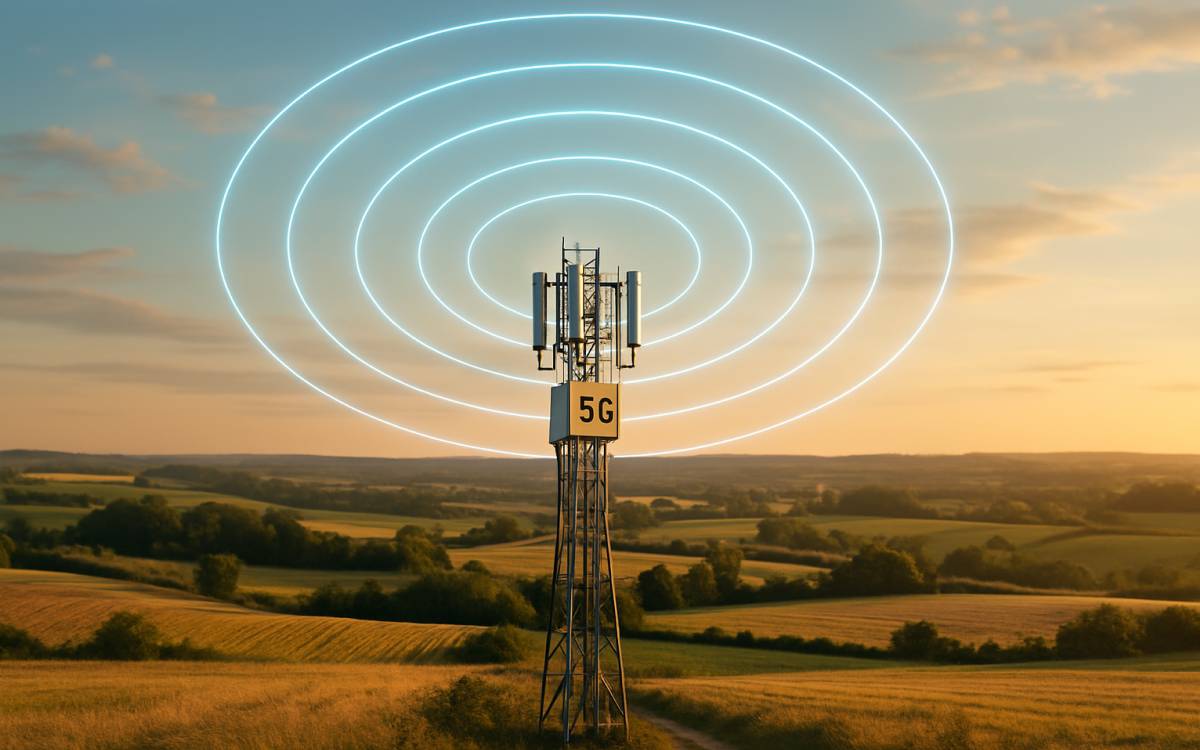
5G internet has the potential to provide rural homes with easy connectivity that wired internet has long struggled to deliver. For years, many rural communities have faced limited or unreliable access to high-speed connections due to the high costs and complexities of building the necessary physical infrastructure. Thanks to 5G technology, it has proven beneficial. Besides, popular providers are now expanding their coverage into rural areas, making 5G home internet more accessible than ever.
Benefits of 5G Internet for rural homes in the USA
Wireless connectivity
Traditional internet services, such as DSL and fiber-optic internet, typically depend on physical lines, such as phone wires, cable lines, or fiber cables, that run directly from the provider to the home. Setting up this infrastructure can be challenging and costly, especially in rural areas, where properties are more spread out. This is where 5G home internet excels. Its main benefit is that it utilizes fixed wireless technology, meaning there are no cables running into the house. All it needs is a small indoor or outdoor receiver that captures the signal from a nearby wireless hub. Although it operates similarly to satellite internet, the signal in this case comes from towers much closer to the receivers than satellites are. This makes 5G one of the most promising solutions for broadband access in rural areas today.
Wider coverage
Another major advantage of 5G, especially in rural areas, is its ability to cover large distances. The mid-band signals of 5G internet have the capability to travel long distances, meaning fewer towers need to be built to serve a single region. This can be beneficial in rural communities, where homes and farms are often spread far apart. As a result, more households can access high-speed internet without the need for expensive infrastructure development.
Good speed
Apart from coverage and ease of availability, users prioritize fast internet speeds. This is where 5G significantly improves the experience. For a long time, many rural homes have faced slow internet connections, often with download speeds below 10 Mbps. With 5G, this number can jump well beyond 100 Mbps. In fact, in certain areas, they can even approach gigabit levels, depending on the equipment and connectivity available.
A wide choice of providers
As 5G technology has become more common, even smaller and local internet providers have started rolling out their 5G networks and plans. After all, for them, offering 5G is often a simpler solution than installing fiber cables over long distances. This development stands to benefit the rural users by increasing the availability of 5G home internet in areas that previously had limited or no options. With more providers entering the market, rural customers enjoy greater options, competitive pricing, and improved service quality over time.
Easy installation
Setting up 5G home internet is usually simple and quick. Providers typically install a small outdoor receiver and connect it to an indoor router, much like a regular Wi-Fi setup. There are no trenches, cables, or satellite dishes involved in the process. Some providers even include the equipment at no extra cost. With an installation so simple, one might not even have to worry about finding rural 5G installation services.
Top 5G internet providers for rural areas
T-Mobile
T-Mobile 5G Home Internet offers unlimited data at fairly low prices, usually between $35 and $55 per month. The speed it offers ranges between 170 and 498 Mbps, which is more than enough for daily use. With coverage reaching nearly 90% of the country, it stands as one of the best rural internet providers in the market.
Verizon 5G
Verizon 5G Home Internet is another strong option, especially for those already using Verizon mobile services. Plans usually start at around $50 per month, with speeds ranging from 50 to 300 Mbps. One advantage is Verizon’s bundling options, which can lower monthly costs when combined with other services.
Nomad
This service provider primarily serves rural and remote areas, as it was specifically designed for them. Their 5G plans typically start at about $60 per month and offer speeds of up to 200 Mbps.